Discipline Is Not Cinematic. It’s Mostly Repetition.
We picture discipline as 5 a.m. workouts and never missing a day. Real discipline is quieter: you keep coming back. The story of the three locks on my gym bag, and five ways to build discipline that survives ordinary life.
· 3 min read
We tend to picture discipline as something dramatic. The 5 a.m. workout. The perfect diet. The intense motivation. The streak where you never miss a day.
It looks great in a montage. It's also not how most real change happens.
Most real discipline is boring.
Discipline feels cinematic in our imagination. In real life, it’s mostly repetition.
The people who change aren’t necessarily the people who go hardest. They’re the people who keep returning.
The pattern I started seeing in my own life
Looking back at things I’ve tried over the years, I started noticing a pattern.
Whenever I stopped showing up completely, the habit disappeared.
Whenever I kept showing up, even badly, I eventually improved.
Fitness became one of the clearest examples. Some workouts are great. Some are mediocre. Some days the victory is simply walking through the gym door.
A half-assed day that keeps the habit alive can be more valuable than a perfect day followed by three weeks off.
The three locks on my gym bag
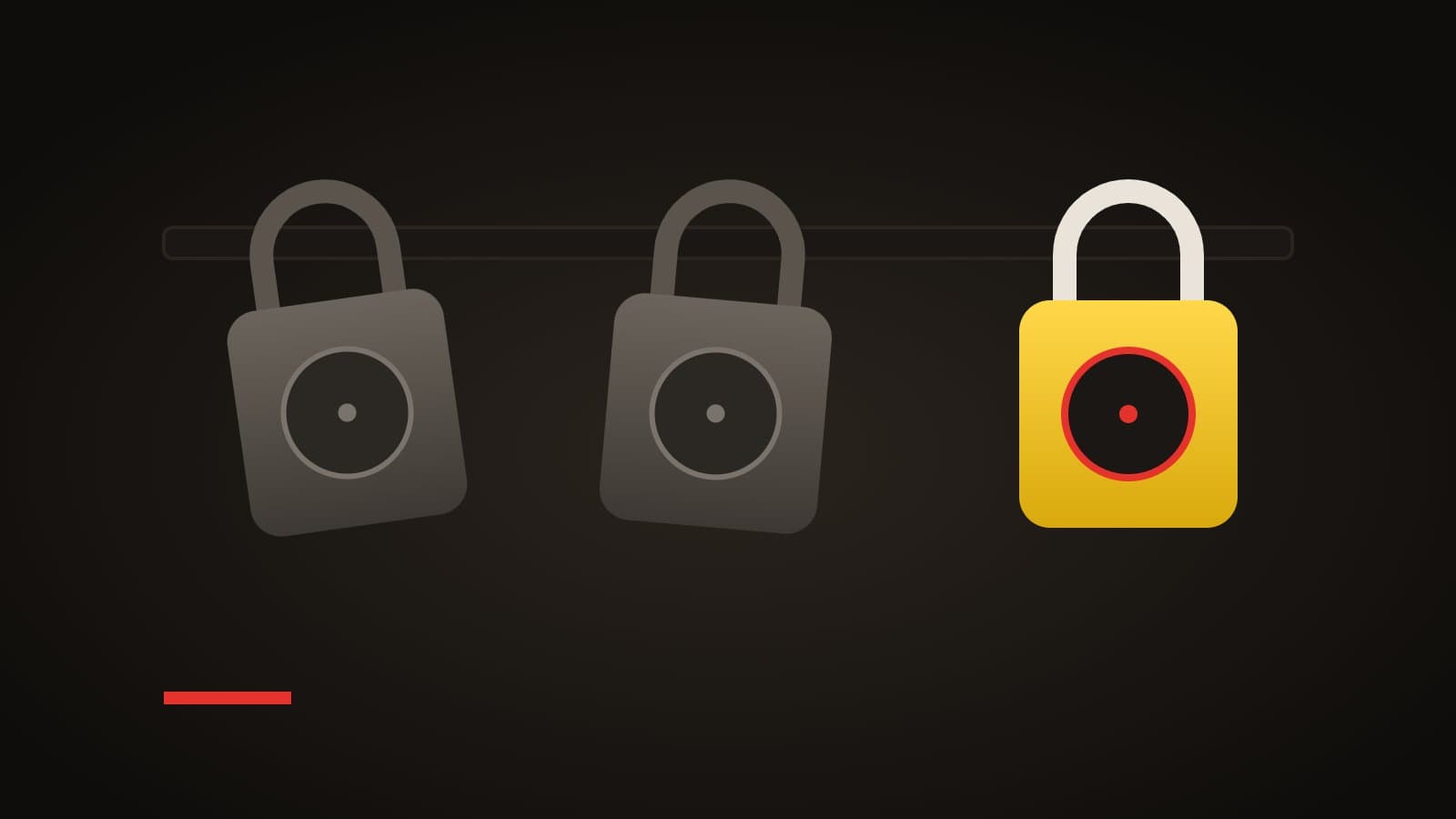
I have three combination locks on my gym bag.
Two of them are old locks. I don’t remember the combinations anymore.
They’re still attached to the bag because they came from earlier stretches when I started going to the gym, stopped going, and stayed away long enough to forget the combinations. I never wanted to replace the bag, because it’s a good gym bag. So eventually, I added a third lock.
That third lock has become a symbol for me.
I’ve started before. I’ve stopped before. This time, the goal isn’t to be perfect. The goal is to keep coming back.
Those old locks are basically little monuments to every time I thought starting was the hard part. Starting wasn’t the hard part. Staying was.
Stop depending on the discipline muscle
Willpower is useful, but it’s unreliable.
Energy changes. Mood changes. Work gets busy. Life happens.
If your plan requires you to feel motivated every day, the plan is fragile.
So instead of asking, “How do I make myself do this?”, ask: “How do I build my life so doing this becomes the normal thing?”
That’s where systems start to beat motivation.
Five ways to actually build discipline
1. Make showing up the first goal
Don’t make every session a test of character. Build the identity of someone who shows up. The workout can be good, bad or average. The part you’re proving is that you came.
2. Create a minimum version
Have a version of the habit you can do on bad days. A shorter workout still counts. A walk still counts. Something is often better than disappearing completely.
3. Reduce friction
Pack the gym bag. Have your clothes ready. Pick a gym that’s convenient. Remove as many decisions as possible. Let the tech you already carry help too: put your sessions in your calendar like meetings, so the decision is made before the day starts.
4. Repeat on ordinary days
The days that transform you aren’t necessarily the days you feel powerful. They’re random Tuesdays when nothing exciting happens and you still do what you said you would do.
5. Never let one miss become a disappearance
Missing occasionally isn’t the real danger. The danger is letting one missed day become a week, then a month, then another forgotten combination lock.
Why “boring” is actually the secret
People often abandon systems that work because nothing exciting seems to be happening. But progress accumulates quietly.
A single workout rarely feels transformational. A single healthy meal doesn’t transform you. A single walk doesn’t transform you.
Hundreds of them do.
The transformation is dramatic. The process usually isn’t.
The bigger lesson beyond fitness
The same principle applies to money, relationships, learning, business, spirituality and health.
At this stage of life, you don’t necessarily need another burst of motivation. You need systems that can survive ordinary life.
The third lock
The first two locks represent starts that eventually stopped.
The third lock doesn’t represent some new, super-disciplined version of me. It represents something simpler: keep showing up.
Maybe discipline isn’t becoming the guy who never struggles. Maybe it’s becoming the guy who keeps coming back.
And that’s the real point.
Discipline is not cinematic. It’s mostly repetition.